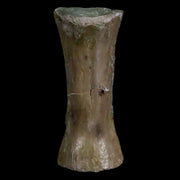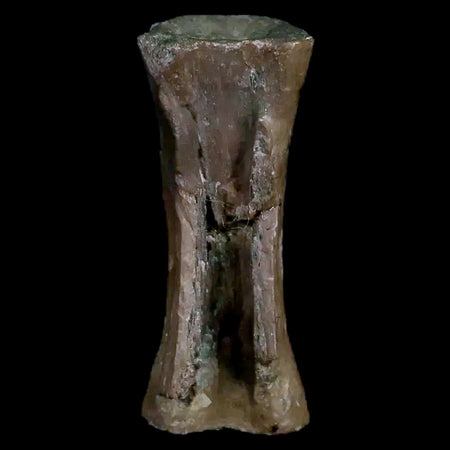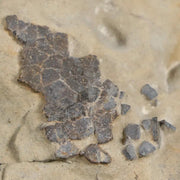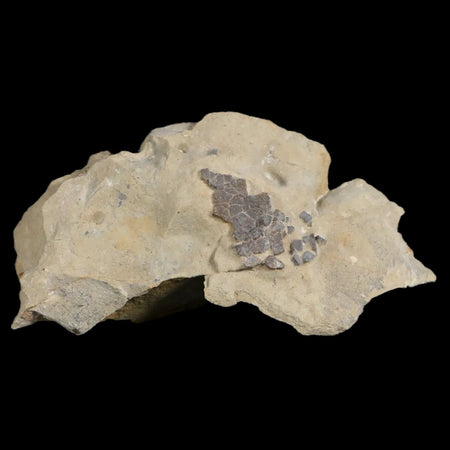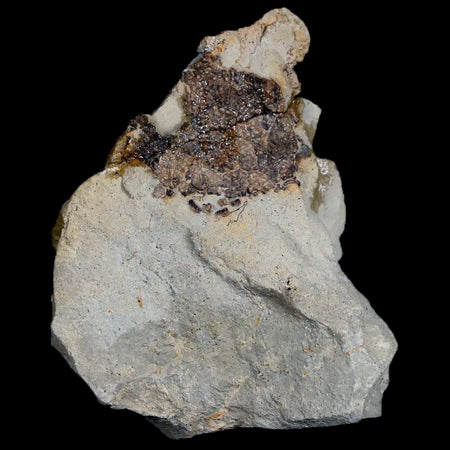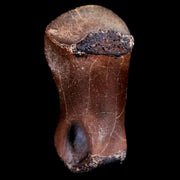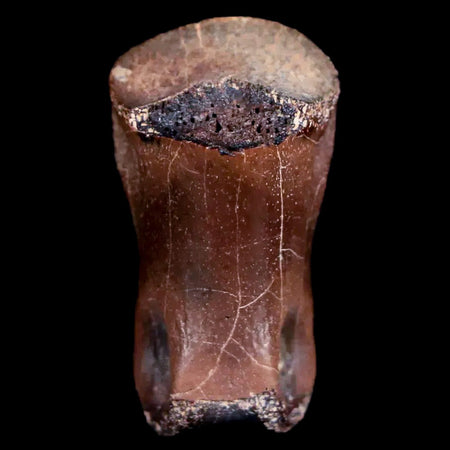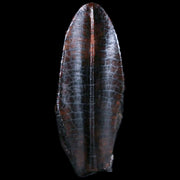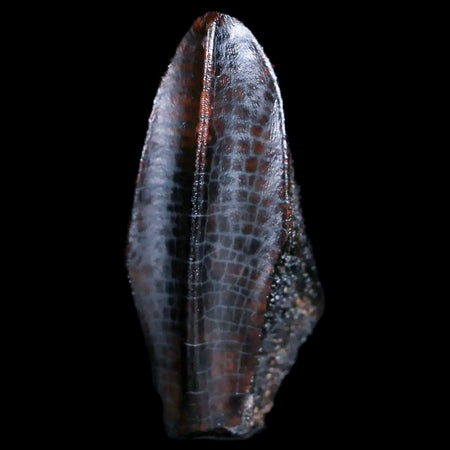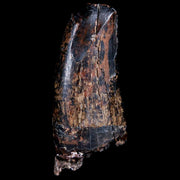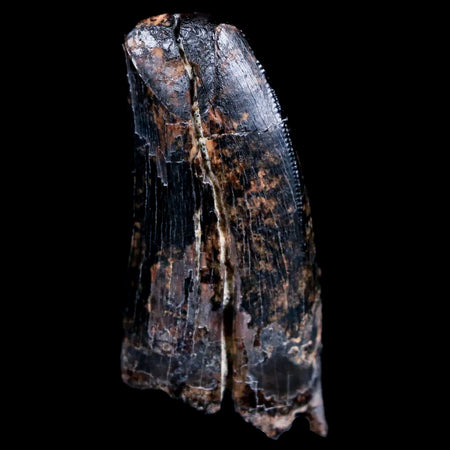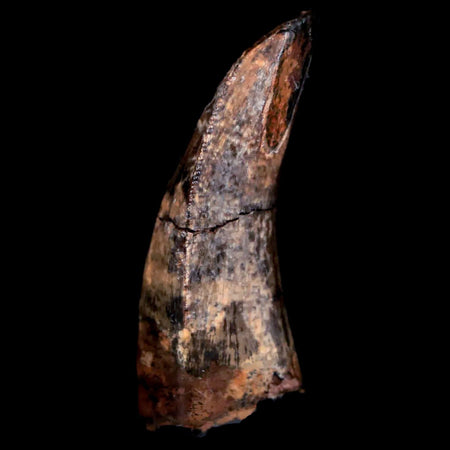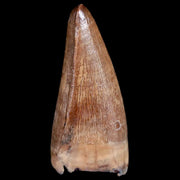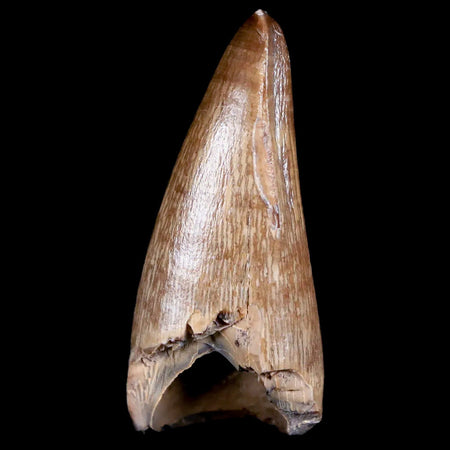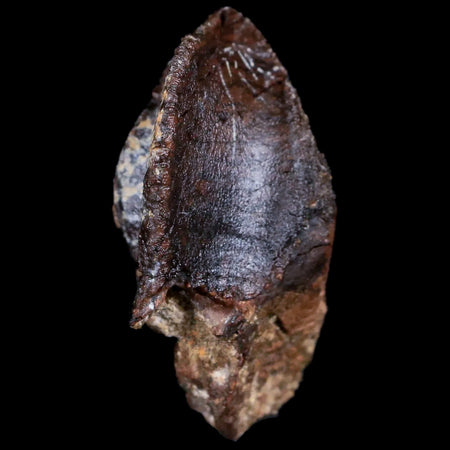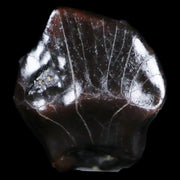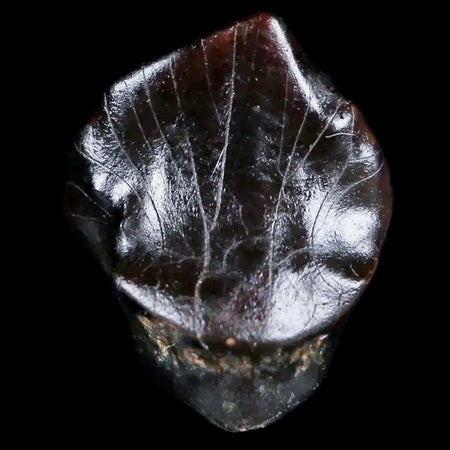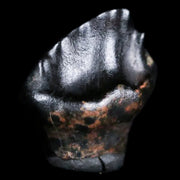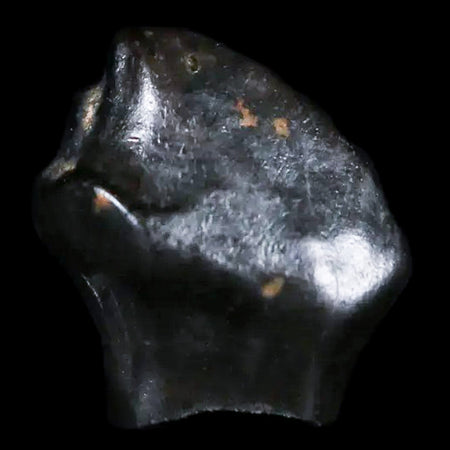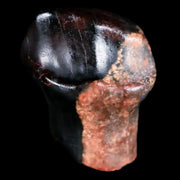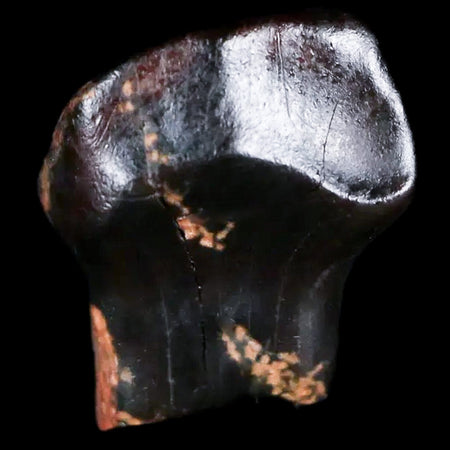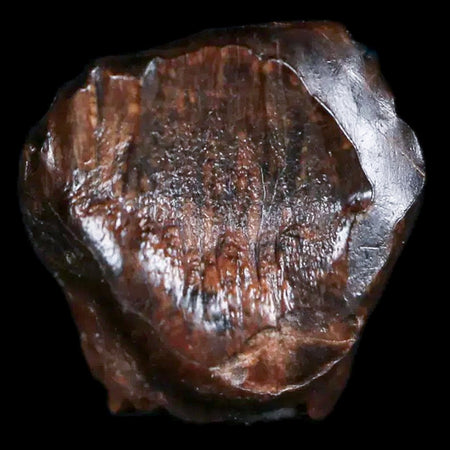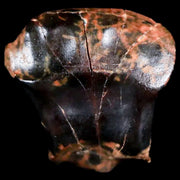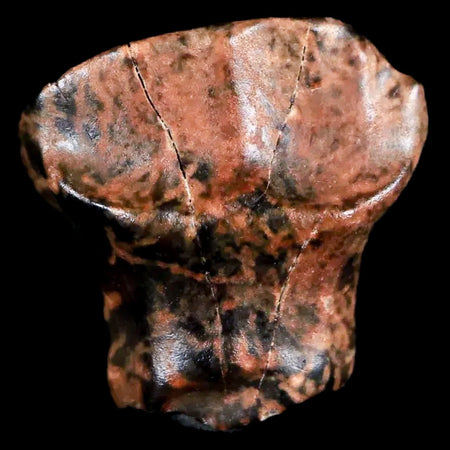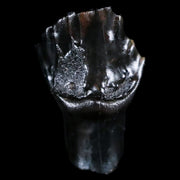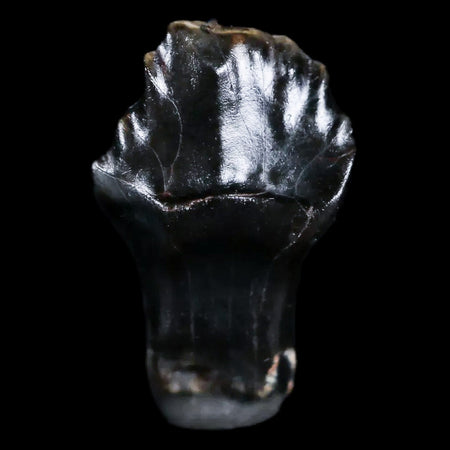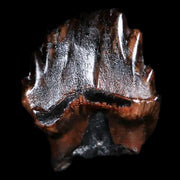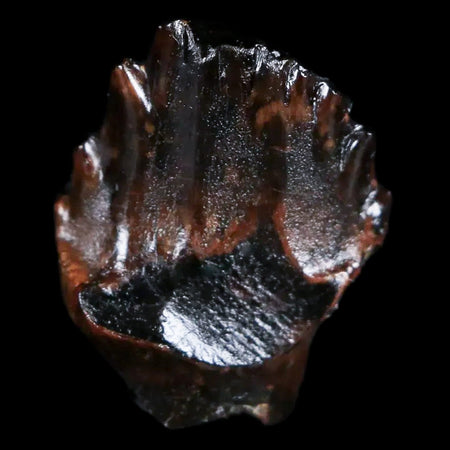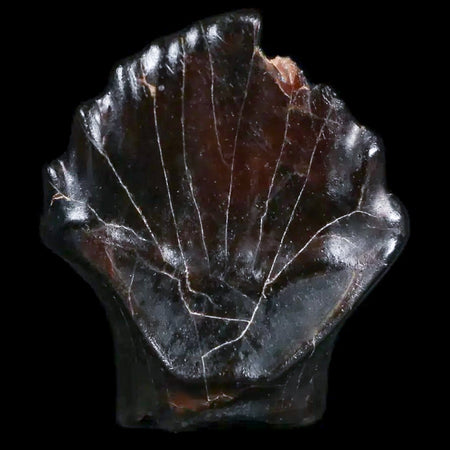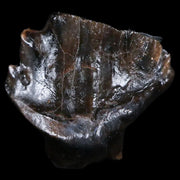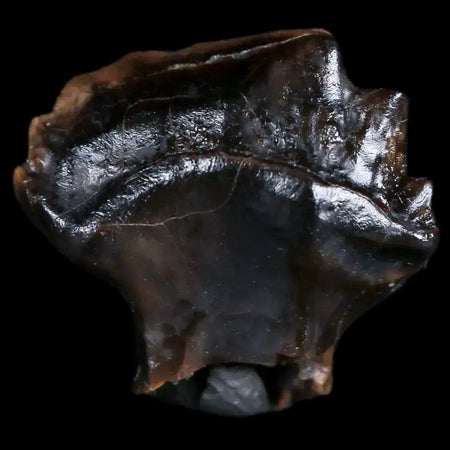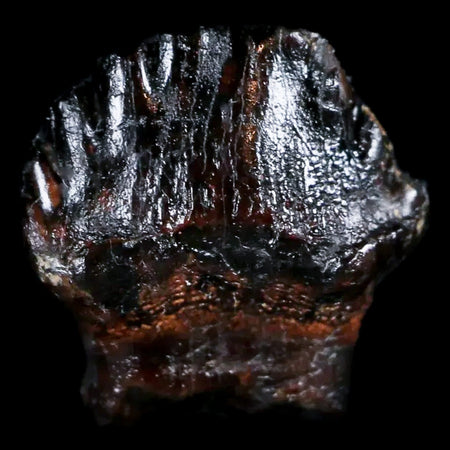
Weevil Cocoon
fossils, called "clogs" in Australia, are a commonly found fossil on
the west coast of Eyre Peninsula in South Australia, extending further
around the coast as far as the Western Australian border. They are also
found inland for a distance of about sixty kilometers.
Specimens have been
found, which on analysis, proved to be made of sand, or gravel, cemented
together, and sometimes of limestone or even opal-like material. In 1925
it was discovered that these nodules contained the pupas of insects, more
specifically the weevil, Leptopius duponti.

The empty pupal cases
remain below ground. Rain water leaches materials from the soil above and
deposits them around any suitable nucleus, including the empty pupal
cases of the beetles. Over a long
period of time the coating around the pupal cases becomes hard and
mineralizes. Eventually, exposed by natural erosion or disturbance of the
soil, the rock-hard pupal cases are found.
Calcification of these cocoons could conceivable take place over a
period of a few years, however, it is believed that these specimens
are perhaps up to 100,000 years old. |
F1718 -
Weevil Cocoon fossil, Leptopius duponti (Australia).
The adult beetle feeds on the foliage of Acacias and other shrubby trees.
The female lays her eggs on the leaves of the tree. When the beetle larva
hatches, it crawls down the trunk to the soil. The
larva lives underground feeding on the roots or underground stems. When
fully fed it prepares to pupate by making a chamber, or cocoon, where it
can undergo the change from larva to adult beetle. However, instead of
spinning a cocoon, the larva makes a
cell in the earth by tamping the soil around it to form a hard wall,
perhaps exuding a secretion which makes the soil or sand set like
concrete. The larva enters the pupal stage which last some months. The
new adult then pushes its way through the cell wall, burrows to the
surface, and climbs a tree.

SPECIAL PRICE!
|